Electronic Bills of Lading Are Now the Norm - Is Your Network Ready for 2026?
X2 Logistics Networks connects independent freight forwarders across dozens of countries, and lately one topic keeps coming up whenever our members compare notes: electronic bills of lading are no longer a pilot programme. They are becoming the default way cargo changes hands. For a global freight forwarding network built on independent members rather than a single corporate structure, that raises a real question. Is every member, in every market, actually ready to issue, transfer, and surrender an eBL without falling back on paper?
Why 2026 Is the Inflection Point
The numbers explain the urgency. In 2023, the nine major DCSA member carriers, including Maersk, MSC, CMA CGM, and Hapag-Lloyd, publicly committed to converting 50 percent of their bills of lading to digital within five years and 100 percent by 2030. The FIT Alliance's own tracking shows overall eBL adoption rising from 33 percent of respondents in 2022 to roughly 49 percent in 2024, and that curve has kept climbing since. Interoperability, once one of the biggest technical objections, is also largely settled: DCSA-standard platforms can now exchange eBLs across different providers rather than locking a shipment into a single closed system. On the legal side, the UNCITRAL Model Law on Electronic Transferable Records, the UK's Electronic Trade Documents Act, and newer legislation such as India's Bills of Lading Act have all given eBLs the same legal standing as a paper original. The technology and the law have both caught up. What is left is operational readiness, member by member.
What "Ready" Actually Means for a Membership Network Like Ours
A single company with one internal system can flip a switch and call itself eBL-ready. A network built on independent members cannot, because readiness lives with each member rather than with a shared corporate stack. X2 operates on limited membership per market, which means our member in a given country is often the only X2 partner handling cargo there. Whether that member can issue and accept an electronic bill of lading has a direct effect on whether a shipment routed through that market stays digital end to end, or reverts to paper the moment it reaches that one link in the chain.
Why This Matters More for a Network Built on Independent Members
This is the weakest-link problem in a very literal sense for a global freight forwarding network. A shipment might pass through three or four X2 members across as many countries, and if even one of them cannot handle an eBL, whoever is holding the paper fallback for that leg ends up holding it for the whole transaction. It is worth noting that this is exactly the kind of coordination gap a membership network is positioned to close. Every X2 member goes through a screening step during onboarding that verifies credentials, compliance, and financial standing before they join. That same trust infrastructure, built to vet who our members are, is the natural foundation for confirming who is genuinely eBL-ready before cargo gets routed through them.
How X2 Helps Members Prepare
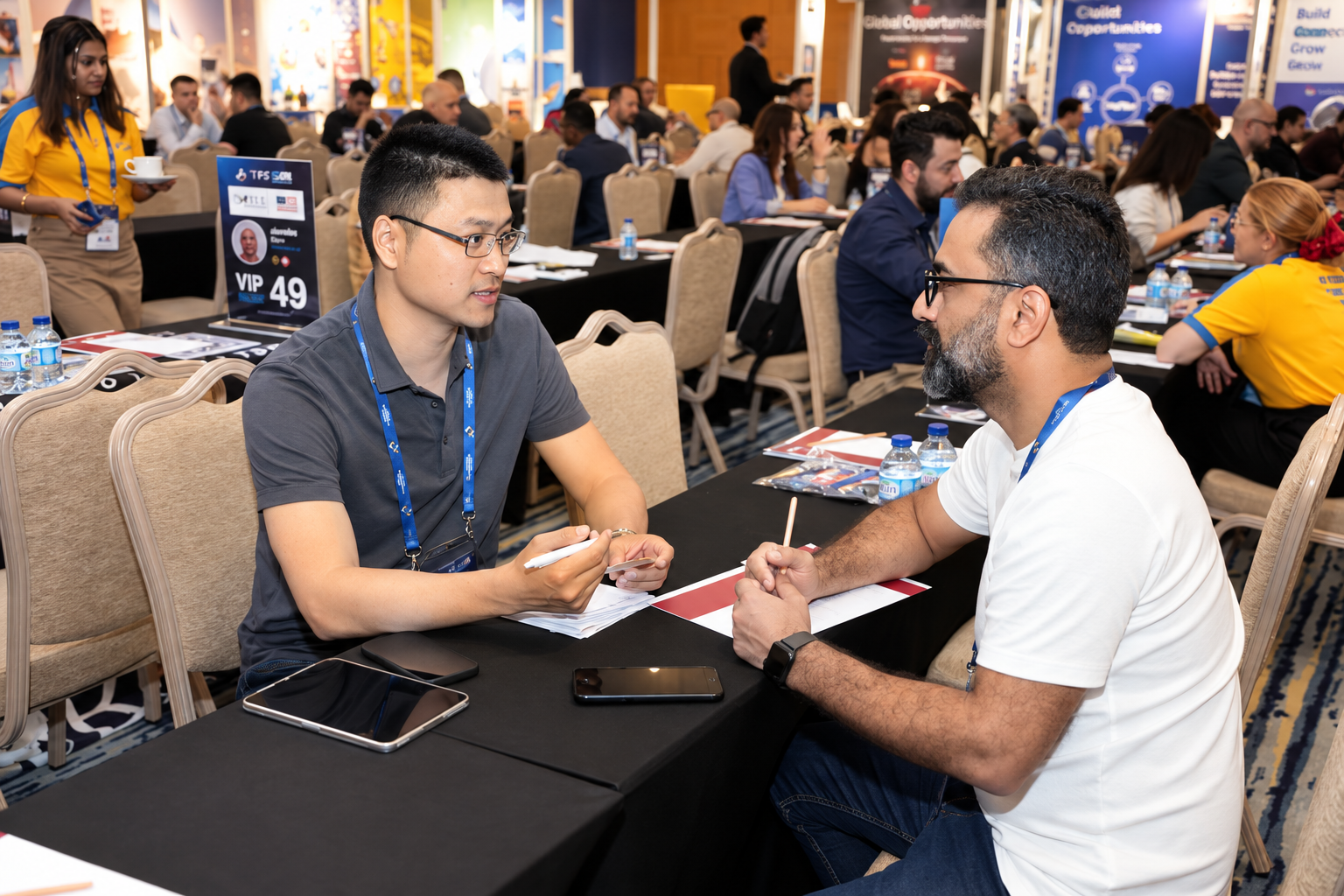
We do not operate cargo ourselves, so our role here is less about running a platform and more about making sure our members are not solving this in isolation. Network News and X2 Insights already surface how individual members are handling operational changes across the network, and the annual X2 Conference, our flagship gathering of member forwarders from around the world, is exactly the kind of setting where a member in one country can learn directly from another who has already moved on eBL adoption in their market. Member tools such as our exclusive quote system also depend on members trusting the documentation standards behind a shipment, which makes eBL readiness a natural extension of what the network already exists to support.
What This Means for Shippers Working With X2 Members
For the shippers and consignees who move cargo through a global freight forwarding network like ours, the practical benefit of this readiness is concrete. Electronic bills of lading remove the courier lag that has historically delayed cargo release at destination, and they reduce the kind of documentation errors that plague paper-based trade. A properly digitised bill of lading, moving through a chain of members who all know how to handle it, avoids the discrepancies and delays that tend to surface right when a shipment reaches a port or customs checkpoint.

Conclusion
Electronic bills of lading are no longer a future consideration for freight forwarding. They are becoming the default, and for a global freight forwarding network built on independent members, readiness has to be checked member by member rather than assumed company-wide. That is the kind of network X2 Logistics Networks has always been built around: independent forwarders, connected by shared standards and a trust framework, working through a transition like this together rather than each figuring it out alone.
FAQs
Q: Is an electronic bill of lading legally equivalent to a paper one?
In jurisdictions that have adopted the UNCITRAL Model Law on Electronic Transferable Records or equivalent legislation, yes. Recognition still varies by jurisdiction, which is why readiness can differ from one member's market to another.
Q: Why might a shipment still end up on paper despite most parties being eBL-ready?
If even one member or counterparty in the chain, such as a customs authority or a smaller local partner, is not yet equipped to handle the electronic document, the whole transaction can be forced back onto paper.
Q: How does X2 help members stay current on changes like this?
Through Network News, X2 Insights, and the annual X2 Conference, where members compare notes directly with peers who are further along in adapting to changes like the eBL transition.